



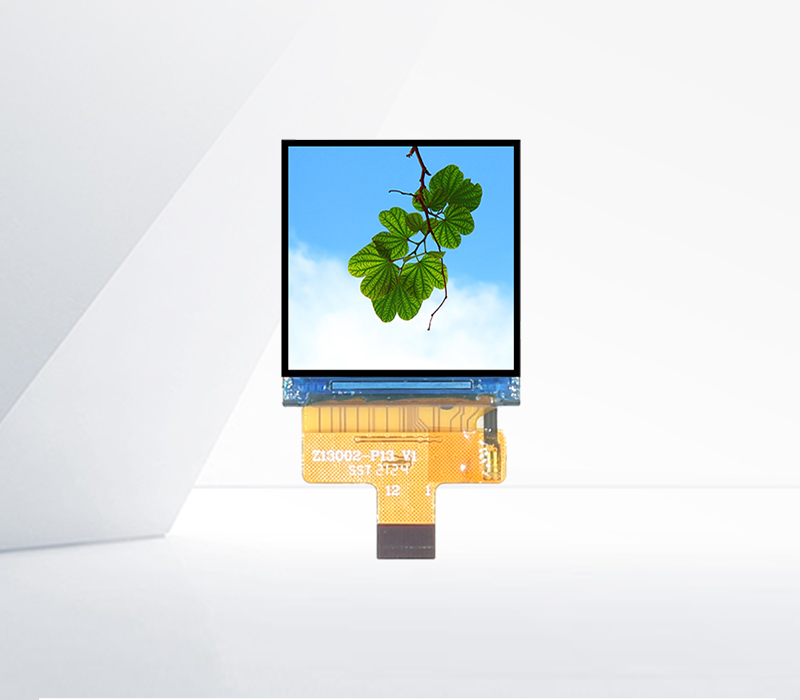
An unreasonable heat dissipation hole design in LCD displays can lead to several issues. Firstly, insufficient heat dissipation can cause the internal temperature of the display to rise. This may affect the performance and lifespan of the components inside. For example, the liquid crystals may change their properties at higher temperatures, resulting in degraded image quality such as color distortion or slow response times. The backlight module, which is a crucial part of the LCD, may also be affected. If it overheats, it can consume more power and have a shorter lifespan, leading to a decrease in the overall brightness and uniformity of the display.
Secondly, if the heat dissipation holes are not properly placed or sized, it can lead to uneven heat distribution within the display. This can cause some areas to be hotter than others, which may lead to mechanical stress on the components. Over time, this can cause warping or cracking of the display panel or other internal parts. Moreover, an ineffective heat dissipation hole design may also allow dust and other contaminants to enter the display more easily. As the display heats up and cools down, air is drawn in and out through the holes. If the holes are not designed with proper filters or baffles, dust can accumulate inside the display, which can further affect its performance by reducing the clarity of the image and potentially causing short circuits or other electrical problems. In conclusion, a well-designed heat dissipation system with properly arranged and sized holes is essential for the proper functioning and longevity of an LCD display. Any design flaws in this regard can have significant negative impacts on the display's quality and reliability.


